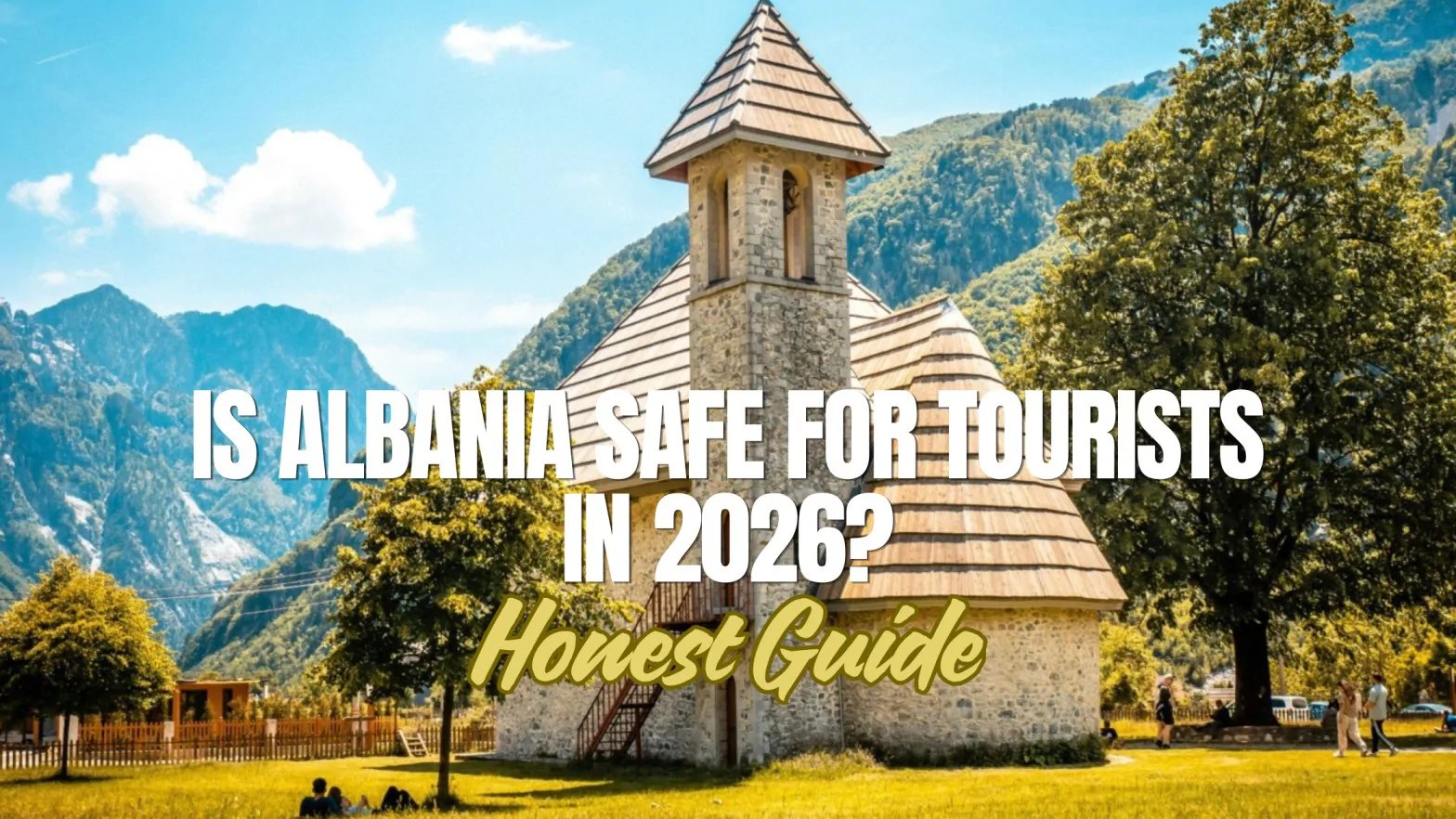
Albania is no longer Europe’s best-kept secret. In 2026, it stands firmly on the map as one of the continent’s fastest-growing travel destinations, attracting everyone from solo backpackers to luxury seekers. Yet one question continues to dominate search engines and traveler conversations alike: Is Albania safe for tourists?
The short answer is yes. Albania is generally very safe for travelers, often safer than many Western European destinations in terms of violent crime. But like any country experiencing rapid tourism growth, it comes with nuances that every traveler should understand before visiting.
This guide goes beyond surface-level reassurance. It addresses persistent safety myths, explores the reality of solo travel, examines nightlife safety, and uncovers the few scams or issues visitors should be aware of. If you’re planning a trip in 2026, this is the honest, complete picture.
Understanding Safety in Albania Today
To evaluate whether Albania is safe, it’s important to separate perception from reality. For decades, Albania was associated with isolation and instability due to its communist past. That reputation has lingered longer than the reality.
Modern Albania is a peaceful, welcoming country that relies heavily on tourism and hospitality. Crime rates remain relatively low, particularly when it comes to violent crime against tourists. Most visits are trouble-free, and travelers frequently describe Albanians as among the most hospitable people in Europe.
In cities like Tirana, safety has improved dramatically over the past decade. The city is lively, modern, and increasingly international. Coastal destinations such as Ksamil and Sarandë are designed around tourism, with a strong focus on visitor comfort and security.
That said, Albania is still developing in terms of infrastructure and regulation. Safety here is less about avoiding danger and more about understanding how things work locally.
Safety Myths About Albania
One of the biggest obstacles Albania faces is outdated perception. Many travelers arrive with concerns shaped by old stereotypes, often expecting a country that no longer exists.
A common myth is that Albania is dangerous due to organized crime. While Albania does have its internal challenges, these issues rarely affect tourists. Visitors are not targets, and incidents involving foreigners are extremely rare. Walking through central Tirana or along the Riviera, you are far more likely to encounter friendly locals than any form of threat.
Another widespread belief is that Albania lacks law enforcement or structure. In reality, police presence is visible in cities and tourist areas, and authorities are generally helpful when approached. Emergency services are functional, and tourism has prompted improvements in safety standards across the country.
There is also a misconception that Albania is unsafe for women. In fact, many female travelers report feeling safer here than in parts of Western Europe. Cultural respect, particularly toward guests, plays a significant role in this experience.
Understanding these myths is essential because they often create unnecessary fear. The reality of whether Albania is safe for tourists becomes much clearer when seen through current conditions rather than outdated narratives.
Solo Travel in Albania
Solo travel has become one of the strongest indicators of a destination’s safety. In 2026, Albania continues to gain popularity among solo travelers, including women traveling alone.
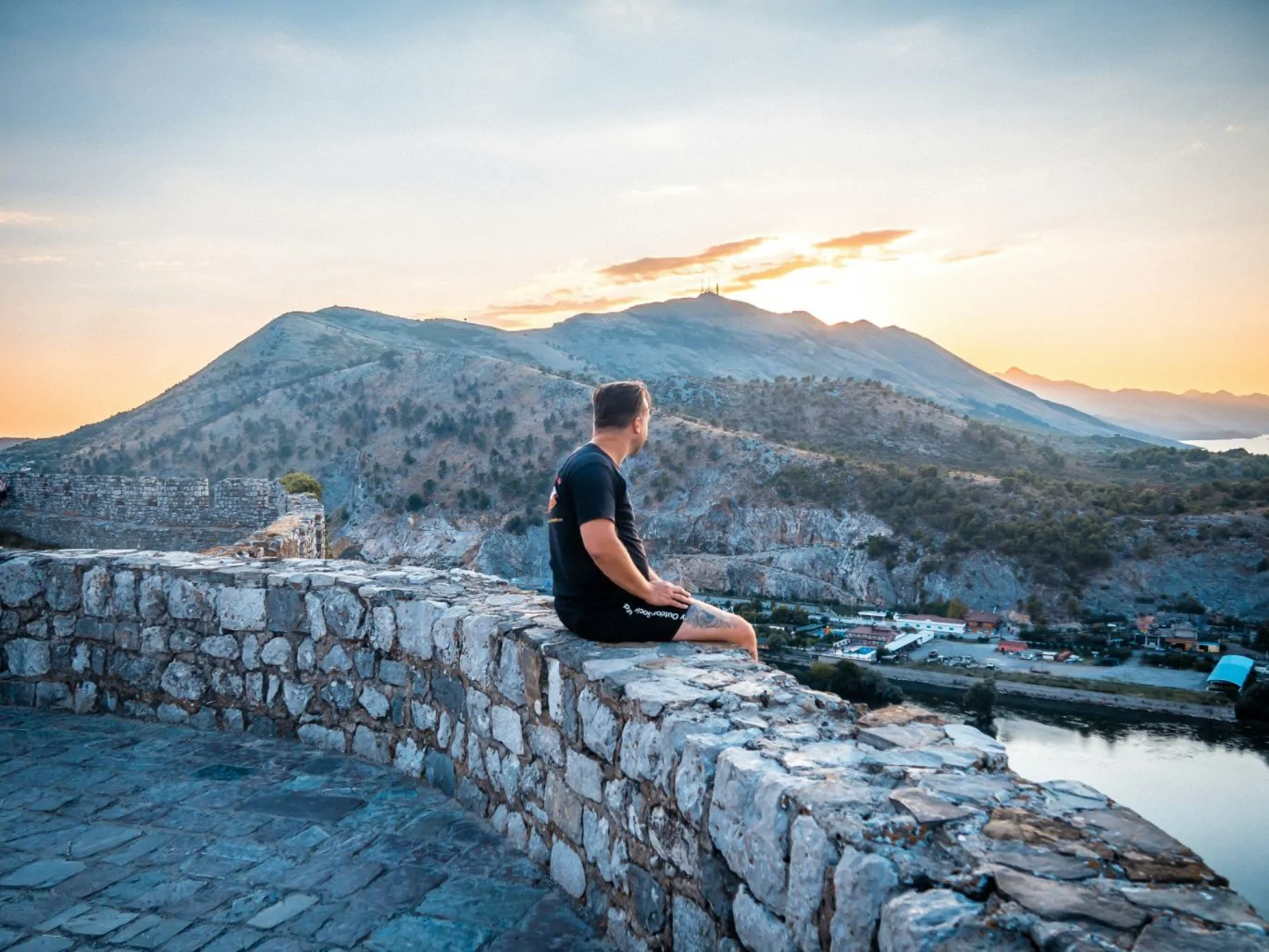
The experience of solo travel in Albania is shaped largely by the country’s culture. Albanians are known for their deep-rooted tradition of hospitality. Visitors are often treated with curiosity, kindness, and genuine willingness to help. It is not unusual for locals to go out of their way to assist with directions or recommendations.
In cities like Tirana, solo travelers will find a vibrant café culture, walkable neighborhoods, and a growing community of digital nomads. Areas such as Blloku are especially popular, offering a safe and social environment both day and night.
Along the coast, places like Sarandë and Ksamil are well-suited for solo travelers looking to relax. The tourism infrastructure is straightforward, and accommodations are generally welcoming to individuals traveling alone.
In the mountains, destinations such as Theth National Park offer a different kind of solo experience. Hiking trails are popular, and guesthouses provide a sense of community among travelers.
While Albania is safe for solo travel, common sense remains important. Staying aware of surroundings, avoiding poorly lit areas late at night, and keeping personal belongings secure are basic precautions that apply anywhere in the world.
For female travelers in particular, Albania tends to feel respectful rather than intrusive. While attention from locals may occur, it is usually polite and non-threatening. Dressing modestly in rural areas and being mindful of cultural norms can enhance comfort.
Nightlife Safety in Albania
Albania’s nightlife has evolved significantly, especially in recent years. Cities and coastal towns now offer a wide range of options, from relaxed beach bars to high-energy clubs.
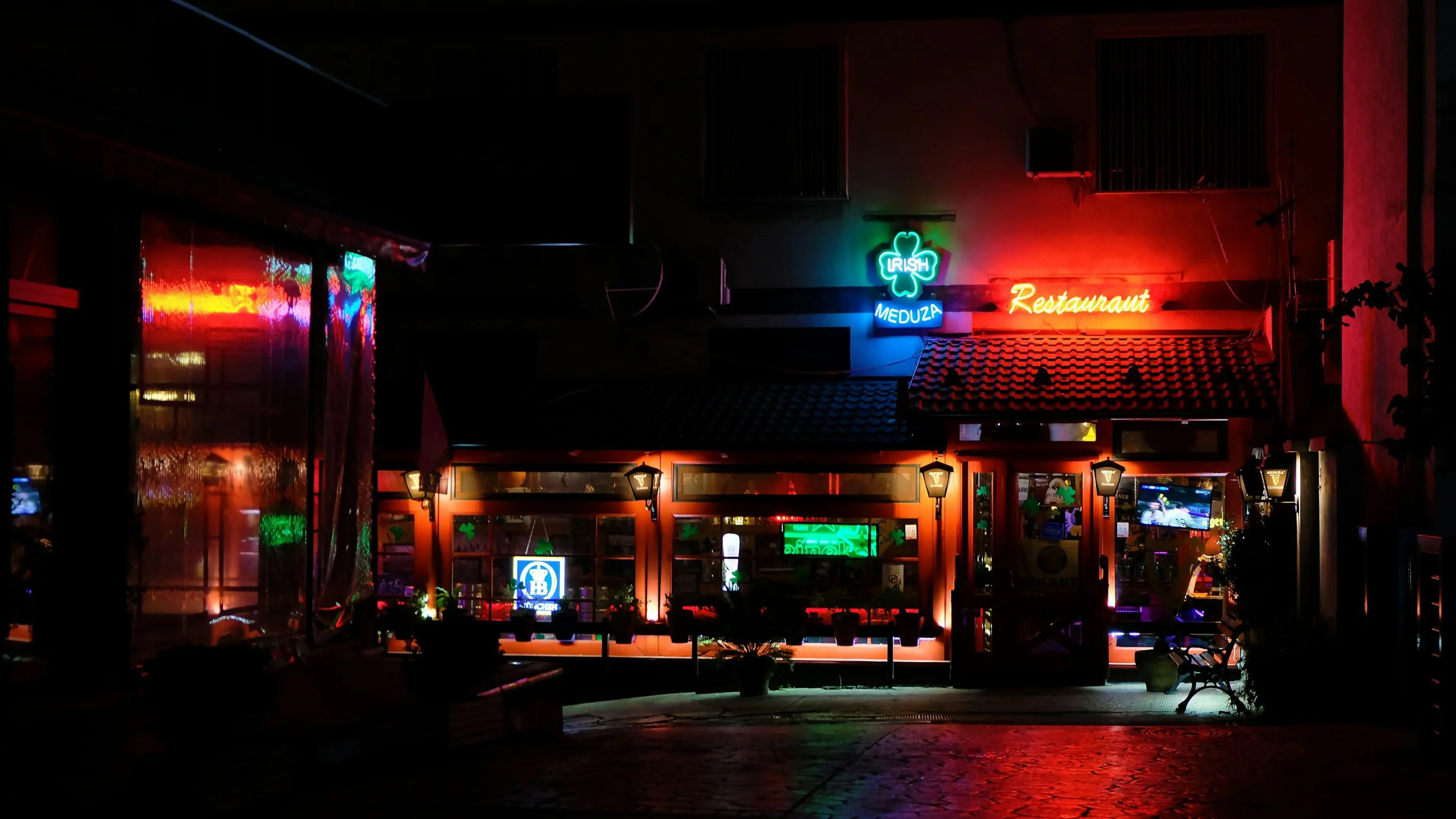
In Tirana, nightlife is centered around districts like Blloku, where bars, lounges, and clubs operate late into the night. The atmosphere is lively but generally safe. Walking between venues is common, and violent incidents are rare.
Coastal areas such as Sarandë and Ksamil also come alive during the summer months. Beach clubs, open-air parties, and waterfront bars attract both locals and international visitors. The mood is festive rather than chaotic.
Safety in nightlife settings largely depends on personal awareness. Alcohol consumption, crowded environments, and late hours naturally increase risks anywhere. In Albania, the most common issues are minor, such as losing personal items or encountering overpriced services.
Transportation after a night out is relatively easy to manage. Taxis are widely available in cities, and many accommodations are within walking distance of nightlife areas. Using reputable taxi services or arranging transport in advance adds an extra layer of security.
One aspect that stands out in Albania is the social nature of nightlife. Groups tend to look out for each other, and locals are often protective of visitors. This contributes to a sense of safety that many travelers notice quickly.
Common Scams and Tourist Pitfalls
While Albania is safe overall, it is not entirely free from minor scams or inconveniences. These are generally low-level and easy to avoid with awareness.
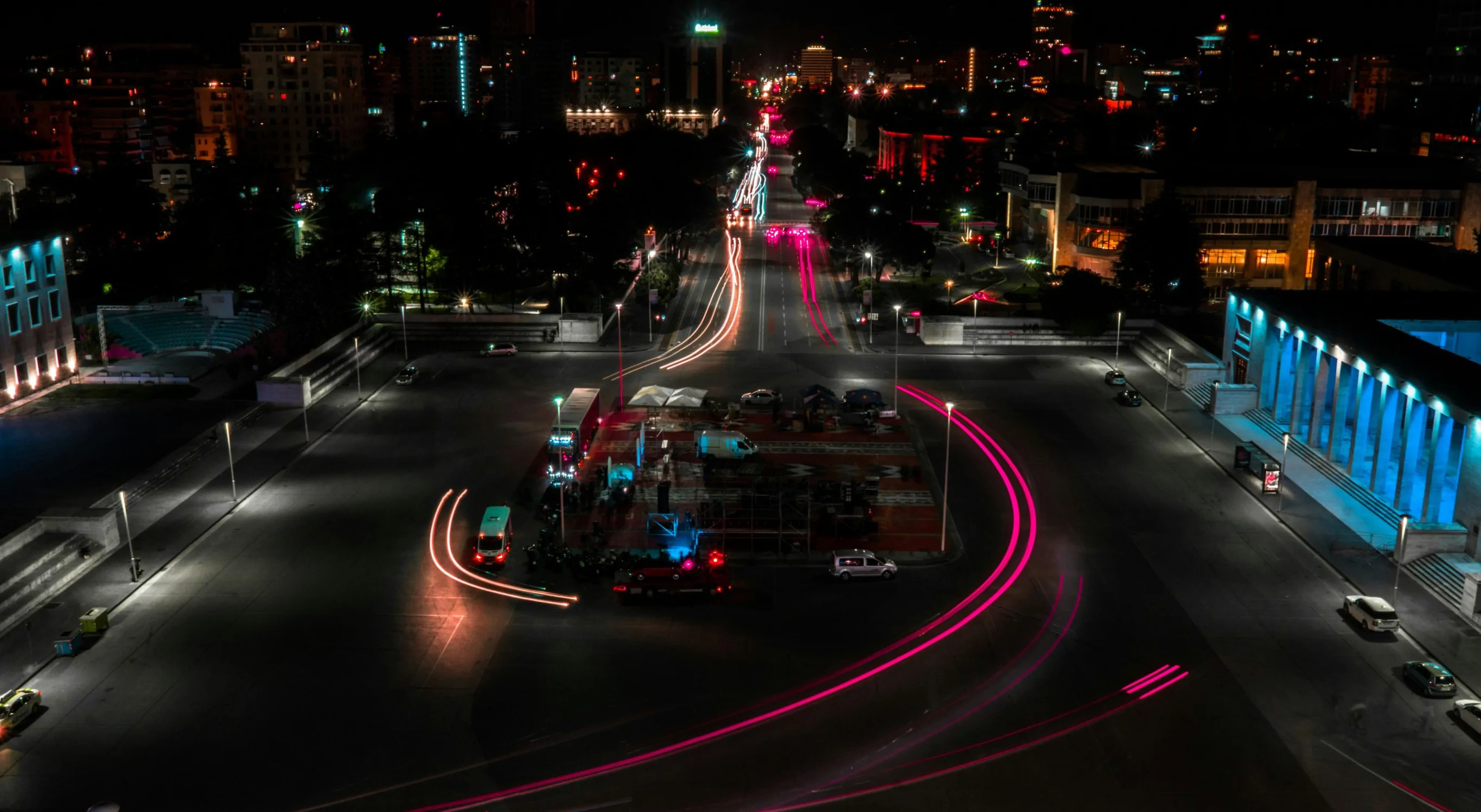
Taxi overcharging is one of the more common issues. Some drivers may quote higher prices for tourists, particularly in busy areas or late at night. Agreeing on a price before the ride or using a metered taxi can prevent misunderstandings.
Another situation travelers may encounter is inconsistent pricing in restaurants or beach clubs, especially in high-demand coastal areas during peak season. Menus are usually clear, but it is always wise to confirm prices before ordering if something seems unclear.
This is exactly where SunEasy adds real value for travelers in Albania. By allowing users to check menus in advance, view transparent pricing, and complete secure online payments directly through the platform, SunEasy removes uncertainty before it even becomes a problem. Instead of worrying about price variations or last-minute surprises, visitors can make informed choices with full visibility, creating a smoother, more reliable experience throughout their trip.
Currency confusion can also occur. Albania uses the lek, and while euros are sometimes accepted, exchange rates may not be favorable. Using local currency and checking conversion rates helps avoid overpaying.
Petty theft, such as pickpocketing, exists but is not widespread. It is more likely in crowded places like bus stations or busy nightlife spots. Keeping valuables secure and avoiding unnecessary displays of wealth is sufficient to minimize risk.
Importantly, scams in Albania tend to be opportunistic rather than organized. Travelers who stay aware and informed rarely encounter problems.
How SunEasy Enhances Safety and Travel Confidence
Travel safety is not only about avoiding risks but also about making informed choices. This is where SunEasy plays a valuable role for visitors in Albania.
SunEasy is designed to connect travelers with authentic, verified experiences across the country. Instead of relying on random online searches or outdated recommendations, users can discover curated activities, local businesses, and hidden gems with confidence.
One of the key safety benefits of SunEasy is transparency. Travelers can access reliable information about locations, services, and experiences, reducing the likelihood of encountering misleading offers or overpriced options. This is especially useful in a destination where tourism is rapidly expanding and not all information is standardized.
The platform also supports better decision-making by highlighting trusted providers and real experiences. Whether booking a boat trip along the Riviera, finding a local guide in the mountains, or choosing a restaurant, SunEasy helps travelers avoid uncertainty.
Another advantage is efficiency. By simplifying the process of discovering and booking activities, SunEasy reduces the need for last-minute decisions, which are often where mistakes or scams occur.
Ultimately, SunEasy enhances both convenience and safety by giving travelers clarity and control. In a destination like Albania, where authenticity is part of the appeal, having a reliable tool to navigate options makes a significant difference.
Infrastructure, Healthcare, and Emergency Support
Safety is also influenced by infrastructure and access to services. Albania has made considerable progress in these areas, though differences remain between urban and rural regions.
In major cities like Tirana, healthcare facilities are modern and accessible. Private clinics offer high-quality care, and many professionals speak English. In coastal areas, medical services are available but may be more limited, especially outside peak season.
Emergency numbers are functional, and response times in cities are generally reliable. Travelers are advised to have travel insurance that covers medical care and evacuation, particularly if planning outdoor activities in remote areas.
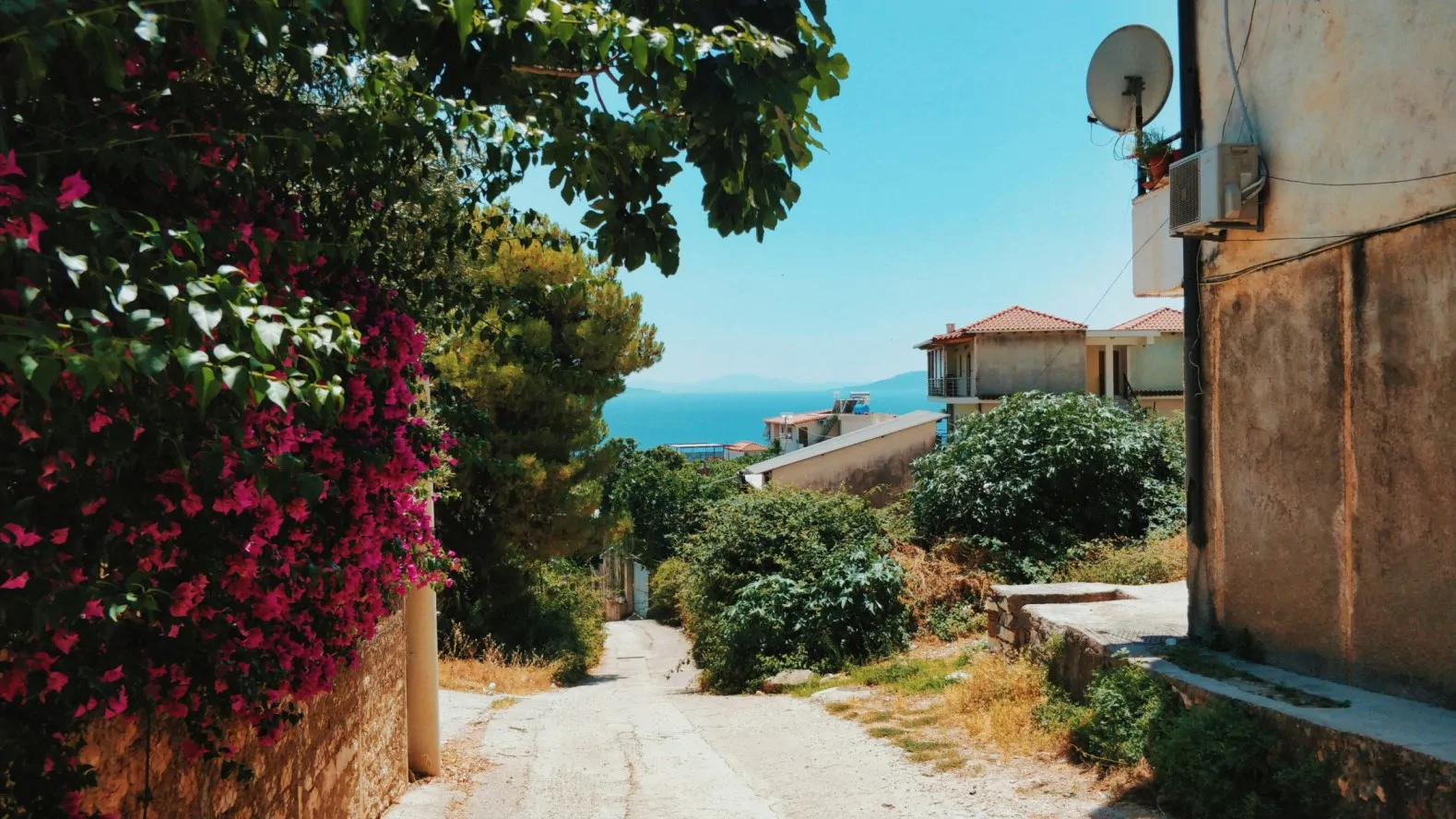
Road safety is an area where caution is necessary. Driving standards can vary, and road conditions are not always consistent. Travelers who rent cars should be prepared for local driving styles and plan routes carefully.
Public transportation is affordable and widely used, though it may lack the predictability of more developed systems. For many visitors, a combination of buses, taxis, and guided tours provides the best balance of convenience and safety.
Cultural Factors That Contribute to Safety
One of the most distinctive aspects of Albania is its culture of hospitality. The concept of “besa,” a traditional code of honor, emphasizes protecting and respecting guests. This cultural value plays a significant role in how visitors are treated.
Travelers often find that locals are not only friendly but also protective. It is common for people to offer help without being asked, whether it is giving directions, recommending places to visit, or ensuring a visitor feels comfortable.
This cultural foundation creates an environment where safety is not just enforced but also socially reinforced. While no destination is without risks, the attitude toward visitors in Albania contributes strongly to a positive experience.
So, is Albania Safe for Tourists in 2026?
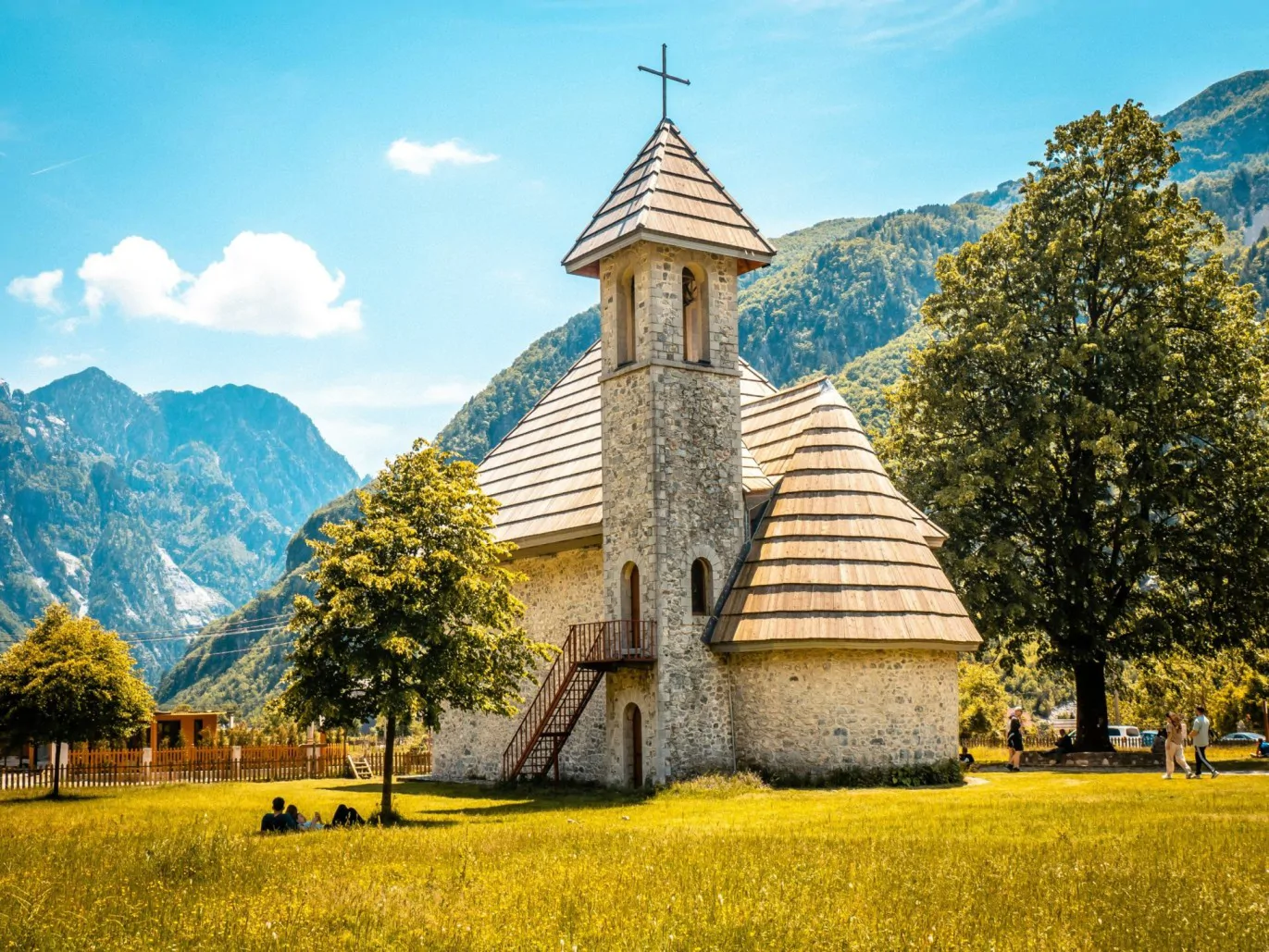
Albania in 2026 is a safe, welcoming, and increasingly well-prepared destination for international travelers. The concerns that once surrounded the country are largely outdated, replaced by a growing reputation for hospitality, affordability, and authenticity.
For those asking whether Albania is safe for tourists, the answer is clear. With basic precautions and an understanding of local conditions, visitors can explore the country with confidence.
From solo travel to nightlife, from cultural interactions to everyday experiences, Albania offers a level of safety that often exceeds expectations. The few challenges that exist are manageable and common to many destinations undergoing rapid growth.
As tourism continues to expand, tools like SunEasy further enhance the experience, making it easier than ever to navigate Albania safely and enjoy everything it has to offer.