Updated November 2026, with official INSTAT data for 2025 and 2026.
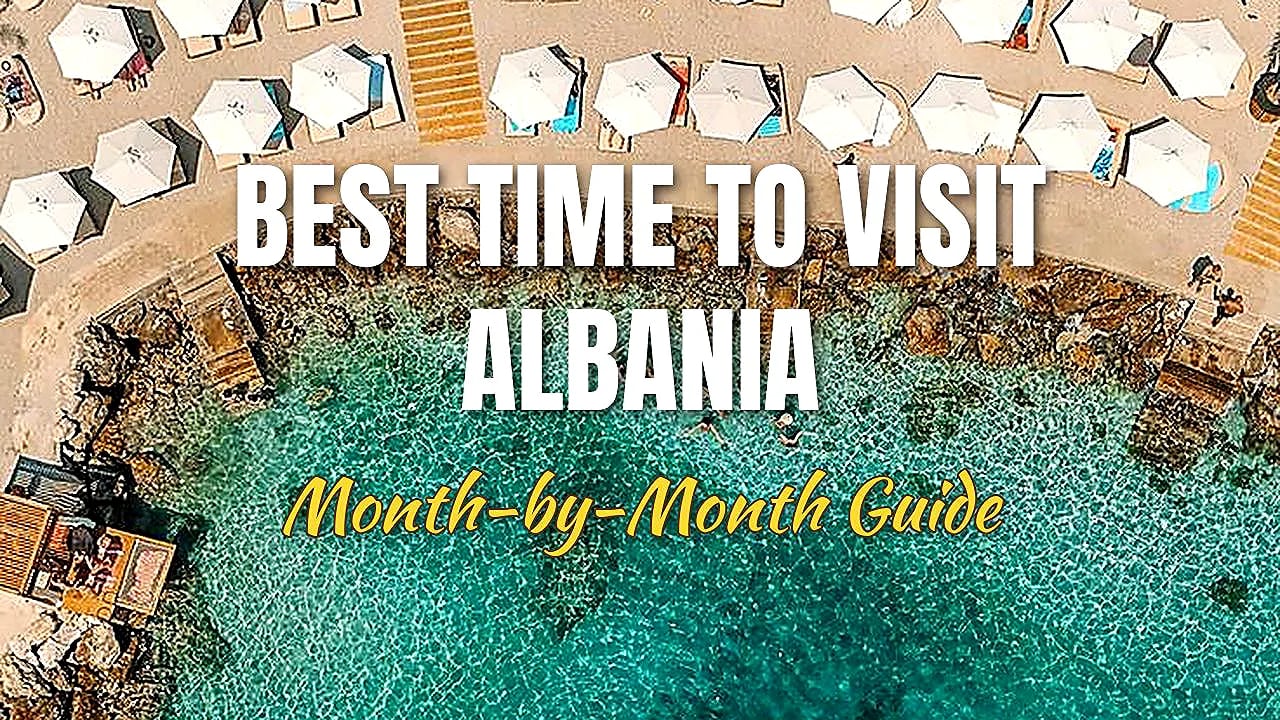
The best time to visit Albania for the beach is June or September. The sea is warm, the days are long, and the coast is far calmer than in August. Official figures back this up. In 2025, June and September each saw roughly half as many foreign arrivals as August.
This guide combines three sources. Crowd levels come from INSTAT, Albania’s national statistics institute. Weather and sea temperatures come from Open-Meteo. They cover the coast from Velipojë in the north to Sarandë in the south. Beach prices come from the SunEasy Albania Beach Price Index.
How busy does Albania get?
Albania welcomed 12.5 million foreign arrivals in 2025, 6.6% more than in 2024. Growth continued in 2026 at a steadier pace.
Most of these visits fall in summer. July and August alone account for one in three foreign arrivals of the year. August is the clear peak. Arrivals of Albanian citizens also peak in August, which adds to the crowds on the coast.
The rest of the year is far calmer. From November to March, the country sees roughly a quarter of August’s visitors each month. Spring is also gaining ground. In 2026, the fastest growth came in March, April and May.
One note on the numbers: INSTAT counts border entries, not individual people. A traveller who enters twice is counted twice.
The best time to visit Albania for beaches: June and September
June and September offer the best balance of warm water and calmer beaches.
June brings long, dry days and a sea that has already warmed up. In 2025, the coast had almost no rain all month. The sea averaged 22 to 25°C, warmest in the south.
September is the best month for swimming without the crowds. The sea holds its summer warmth, at 24 to 26°C in 2025. That is about as warm as August. The heat eases, and the busiest weeks are over.
In practice, September offers August-warm water with far more space on the sand.
Albania month by month
The best time to visit Albania depends on what you want from your trip. Each month below uses 2025, the latest complete year. Temperatures are average daytime highs on the coast, from Durrës to Sarandë. A rain day is a day with at least 1 mm of rain. Crowd levels are based on INSTAT foreign arrivals.
Two patterns hold all year. The far south, around Sarandë, has the warmest sea. Further north, around Velipojë, the sea runs 1 to 3°C cooler. Inland cities are hotter in summer. In July 2025, Tirana averaged 33°C and Shkodër 34°C.
Albania in January and February
Winter is the quietest season, and it suits travellers who prefer towns, food and culture to the beach. Daytime highs on the coast reach 13 to 16°C. Rain falls on 11 to 14 days a month. The sea cools to 13 to 17°C, too cold for most swimmers. Visitor numbers are at their lowest, so museums and old towns feel calm. Pack a waterproof jacket and warm layers.
Best for: city breaks, museums and quiet coastal walks.
Albania in March
March marks the start of spring travel. Days grow longer, but the weather is still changeable. Highs reach 17 to 18°C, with rain on 14 to 16 days. The sea stays at 15 to 16°C. Crowds remain light, so sites and restaurants are easy to enjoy. Bring layers and a rain jacket.
Best for: sightseeing without queues.
Albania in April
April brings milder days and green landscapes. Highs reach 19 to 20°C, and rain falls on 9 to 12 days. The sea is still cool, at about 17°C. Visitor numbers start to rise, but the country stays relaxed. Light layers and good walking shoes are all you need.
Best for: hiking, historic sites and road trips.
Albania in May
May is warm, green and still relaxed. Highs reach 22 to 24°C, with rain on 9 to 11 days. The sea warms to a refreshing 19 to 20°C, and the first swimmers arrive in the south. Crowds stay moderate until the summer season begins. Pack summer clothes and a light jacket for the evenings.
Best for: early beach days and active holidays.
Albania in June
June is the first full beach month. Highs reach 29 to 31°C, and the coast sees almost no rain. The sea warms to 22 to 25°C, warmest in the south. Beaches are busy but well below the summer peak. Pack sun protection and light clothing.
Best for: beach holidays with space to spare.
Albania in July
July is hot, sunny and lively. It was the hottest month of 2025 on the coast, with highs of 30 to 32°C. Rain is rare, falling on only 1 to 2 days. The sea reaches 24 to 26°C. Crowds build quickly, so reserve sunbeds in advance at the most popular beaches. Pack sun protection, a hat and plenty of water.
Best for: long beach days and evenings by the sea.
Albania in August
August is the busiest month of the year. Beaches, roads and restaurants are at their fullest. Highs reach 30 to 31°C, with rain on 4 to 6 days. The sea stays at 24 to 26°C. Arrive at the beach early and book your sunbed before you go. For calmer stretches of coast, see our hidden gems on the Albanian Riviera.
Best for: travellers who want the full summer atmosphere.
Albania in September
September is the best month for swimming without the crowds. The sea holds its summer warmth at 24 to 26°C, about as warm as August. Highs ease to 27 to 28°C, with rain on 3 to 5 days. Visitor numbers fall to roughly half of August. Pack summer clothes and a light layer for the evenings.
Best for: beach holidays and late-summer road trips.
Albania in October
October is the last swimming month, especially in the south. The sea stays warmer than the air, at 20 to 23°C. Highs reach 20 to 21°C, and rain falls on 12 to 13 days. Crowds are moderate, and towns return to a local pace. Bring a rain jacket and a warm layer.
Best for: a late swim, hiking and quiet towns.
Albania in November and December
Late autumn is calm and green. November is the wettest month on the coast, with rain on 18 to 19 days. Highs still reach 17 to 19°C, and the sea stays at 18 to 21°C. December is drier, with rain on 6 to 7 days and highs of 14 to 16°C. The sea cools to 16 to 19°C. Visitor numbers are low again. Pack warm, waterproof clothing.
Best for: city breaks and food-focused trips.
Beach prices in Albania
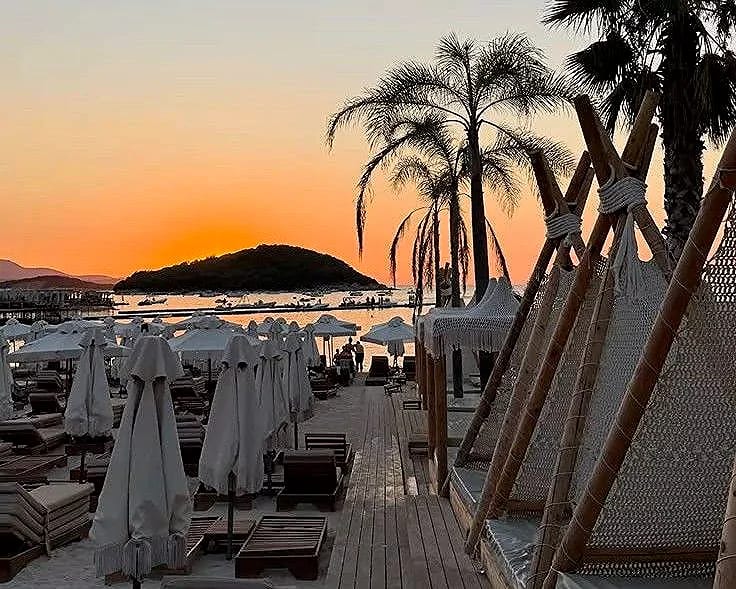
Beach prices vary widely by destination. The SunEasy Albania Beach Price Index compares 22 beach clubs in 12 destinations. In June 2026, the national median was about €15 per day for an umbrella with two sunbeds.
Velipojë is the most affordable, at about €4 per day. Ksamil and Dhërmi are the most expensive, with a median of about €30. Saranda and Borsh sit at about €20. The top clubs in Dhërmi charge up to €50.
Wondering whether beaches are free? See are Albania’s beaches free. For a full trip budget, read our Albania travel cost guide.
The worst time to visit Albania
There is no truly bad month to visit Albania. Each season has a drawback, depending on what you want from your trip. Here is what to expect, and who each period still suits.
August: the busiest month
For a calm beach holiday, August is the most difficult month. In 2025, it brought almost one in five of the year’s foreign arrivals. Many Albanians also take their summer holidays at this time. Beaches fill early, coastal roads are slow, and popular restaurants need a booking. Daytime highs on the coast stay above 30°C, and inland cities are hotter still.
To enjoy August, start your beach day early and reserve your sunbed in advance. Smaller bays and less famous beaches stay calmer than the main resorts.
Who it still suits: families tied to school holidays, and travellers who love a lively summer atmosphere.
January to March: the coldest sea
For swimming, January to March is the weakest period. The sea sits at 13 to 17°C, too cold for most swimmers. Rain falls on 11 to 16 days a month. Coastal towns are quiet, and the beach season feels far away.
Who it still suits: travellers who want city breaks, historic towns and food without the crowds. Tirana, Berat and Gjirokastër are at their most relaxed.
November: the wettest month
For dry weather, November is the hardest month. In 2025, rain fell on 18 to 19 days on the coast. Outdoor plans need flexibility, and hiking trails can be muddy.
The month is still mild, with highs of 17 to 19°C. In the south, the sea stays at 18 to 21°C.
Who it still suits: travellers who enjoy museums, cafés and long lunches, and who don’t mind packing an umbrella.
Planning your trip
Once you know the best time to visit Albania, a few practical points help you plan. These cover trip length, safety, transport, money, language and booking.
How many days to spend in Albania
For a first trip, plan seven to ten days. This gives you time for Tirana, the Riviera and one historic town, such as Berat or Gjirokastër. The drive from Tirana to Sarandë takes about five hours, so allow time for travel.
For a beach-only holiday, five days lets you settle into one base and explore nearby bays. Shorter stays work well too. Our guides to 3 days in Himara and 3 days in Vlorë show how.
Safety
Albania is generally safe for tourists, and most visits are trouble-free. Take the usual care with bags and phones in busy places, especially in summer. Use licensed taxis or agree the fare before your ride.
On the road, mountain and coastal routes can be narrow and winding. Drive in daylight where you can. At the beach, follow lifeguard flags and drink plenty of water in July and August. For emergencies, call 129 for police or 127 for an ambulance. For more practical tips, read our full guide: is Albania safe for tourists.
Getting around
Buses and minibuses, known as furgons, link the main towns and coastal resorts. They are cheap but run on loose timetables, often with fewer services in the afternoon. Ask locally for departure times.
A hire car gives the most freedom on the Riviera. The coastal road between Vlorë and Himarë crosses the Llogara Pass, one of the country’s most scenic drives. Ferries also link Corfu with Sarandë, a popular way to arrive in the south.
Money and payments
The local currency is the Albanian lek (ALL). Euros are often accepted in coastal tourist areas, but change usually comes in lek. Hotels and larger restaurants take cards.
Carry some cash for buses, small cafés and local shops. ATMs are easy to find in towns and resorts. For typical costs, see our Albania travel cost guide.
Language
In hotels, restaurants and beach clubs on the coast, you can usually get by in English. Away from the main resorts, some locals may speak little English. Language gaps rarely cause problems. Albanian hospitality is famously warm, and people go out of their way to help guests.
A few Albanian words open doors quickly. Try “Përshëndetje” for hello, “Mirëdita” for good day and “Faleminderit” for thank you. Locals appreciate the effort, and conversations often follow.
When to book
For July and August, book accommodation several weeks ahead, especially on the Riviera and in Ksamil. The most popular beach clubs fill by mid-morning in peak season. In June and September, you can usually plan with more flexibility.
Plan your month, then book your sunbed
Once you have chosen your month, secure your place on the beach. With SunEasy, you can compare beaches, check availability and reserve a sunbed before you arrive. It works on iOS, Android and the web.
Reserve your sunbed on SunEasy
Frequently asked questions
What is the best month to visit Albania?
For the beach, June and September are the best months. Both have warm sea and far fewer visitors than August. For hiking and sightseeing, April and May offer mild weather and quieter sites.
Is Albania crowded in August?
Yes. August is the busiest month of the year. In 2025, it brought almost one in five of the year’s foreign arrivals.
How many tourists visit Albania each year?
Albania recorded 12.5 million foreign arrivals in 2025, according to INSTAT. That is 6.6% more than in 2024. Arrivals kept growing in 2026.
Sources
- INSTAT, Movements of citizens in Albania, monthly releases January 2025 to September 2026. Foreign arrivals: 12,466,038 in 2025 and 11,696,111 in 2024.
- Open-Meteo, historical weather and marine data for 2025. Coast: Velipojë, Durrës, Vlorë and Sarandë. Inland: Tirana and Shkodër.
- SunEasy, Albania Beach Price Index, June 2026.