Italy offers some of Europe’s most beautiful coastal destinations, from elegant seaside towns to quiet Mediterranean beaches. The Italian Riviera stands among the country’s most famous coastal regions, combining dramatic landscapes, clear waters, colorful villages, and excellent food.
However, Italy’s coastline extends far beyond Liguria. The Amalfi Coast, Sicily, Sardinia, Puglia, and Calabria each offer a different kind of seaside experience.
Whether you want peaceful beaches, lively coastal towns, scenic drives, or long days beside the sea, Italy has plenty to explore. The key is choosing the right destination and planning your trip around the experience you want.
Why Italy Is Perfect for a Seaside Escape
Italy combines natural beauty, culture, food, history, and beach life in a way few destinations can match. A seaside holiday here can easily become much more than a simple beach vacation.
You can spend the morning swimming in turquoise water and the afternoon exploring an old coastal town. Later, you can enjoy dinner overlooking the sea before taking an evening walk along the waterfront.
The variety of Italy’s coastline also makes it suitable for different travel styles. Some areas feel glamorous and sophisticated, while others remain relaxed, traditional, and wonderfully quiet.
Italy also offers excellent options for travelers who want to combine several destinations. You can explore coastal villages, historic cities, islands, and beaches during one trip.
The best seaside escape depends on your priorities. Consider whether you want beautiful beaches, nightlife, nature, local culture, or a slower pace.
Once you know what matters most, choosing the right Italian coast becomes much easier.
Discovering the Italian Riviera
The Italian Riviera stretches along the Ligurian coastline in northwestern Italy. It is famous for colorful villages, dramatic cliffs, elegant resorts, and beautiful Mediterranean scenery.
The region includes some of Italy’s most recognizable coastal destinations. Genoa, Portofino, Santa Margherita Ligure, Sanremo, and the Cinque Terre attract travelers throughout the year.
The coastline is especially appealing if you enjoy combining beach time with sightseeing. Small towns sit between green hills and the sparkling Mediterranean Sea.
The famous Cinque Terre provides some of the most dramatic scenery in the region. Five historic villages sit along steep coastal slopes, creating an unforgettable Mediterranean landscape.
While Cinque Terre receives significant attention, the wider Italian Riviera offers many other places to discover. Smaller coastal towns can provide a more relaxed alternative during busy travel periods.
Portofino is ideal for travelers who enjoy polished surroundings and beautiful waterfront views. Santa Margherita Ligure offers a similar coastal atmosphere with a slightly broader range of experiences.
Further west, Sanremo combines beaches, restaurants, shopping, and classic Riviera charm. The area also provides convenient access to other parts of Liguria.
The Liguria coast works particularly well for travelers who want scenery without giving up culture. You can easily combine coastal walks, historic architecture, local cuisine, and time by the water.
The Best Time to Visit the Italian Riviera
Timing can make a major difference when planning a trip to the Italian Riviera. Summer offers warm weather and excellent swimming conditions, but popular destinations become considerably busier.
July and August are typically the busiest months for coastal travel. Accommodation can cost more, while popular beaches and attractions become crowded.
For a more relaxed experience, consider traveling during late spring or early autumn. May, June, September, and early October can offer pleasant conditions with fewer summer crowds.
September is particularly attractive for a seaside escape. The Mediterranean remains warm, while the atmosphere often feels calmer than during peak summer.
Spring also works well if your priorities include hiking and exploring coastal towns. Temperatures are generally more comfortable for walking between villages.
Your ideal travel period also depends on your plans. If swimming is the main priority, choose warmer months with reliable beach weather.
If sightseeing and coastal exploration matter more, shoulder season can provide a more comfortable experience.
Exploring the Amalfi Coast
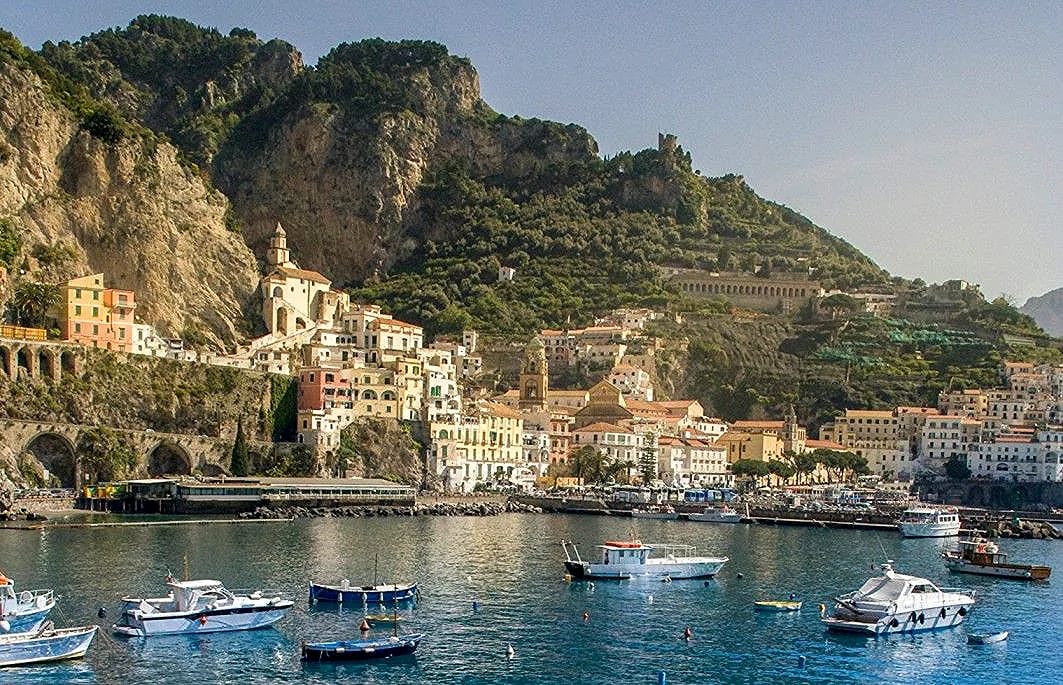
The Amalfi Coast is one of Italy’s most iconic seaside destinations. Located in Campania, the coastline stretches along steep mountains overlooking the Mediterranean Sea.
Towns such as Positano, Amalfi, Ravello, and Praiano create a spectacular coastal route. Colorful buildings appear to climb the cliffs, while small beaches sit below dramatic landscapes.
Positano is perhaps the most recognizable destination along the coast. Its steep streets, waterfront restaurants, boutiques, and colorful buildings create a distinctive atmosphere.
Amalfi offers a different experience with its historic center and impressive cathedral. It also provides a useful base for exploring nearby coastal attractions.
Ravello sits higher above the sea and offers incredible panoramic views. It is particularly appealing if you want scenery away from the busiest waterfront areas.
The Amalfi Coast is ideal for travelers who want scenery, culture, and sophisticated coastal experiences. However, its dramatic geography means some areas involve steep streets and stairs.
Planning your accommodation carefully can therefore make your trip much easier. Staying close to transport connections can save time when visiting multiple towns.
A rental car may seem convenient, but coastal roads can become busy during peak periods. Public transport and ferries can provide practical alternatives between several destinations.
The Amalfi Coast also works well as part of a larger southern Italy itinerary. You can combine it with Naples, Capri, Ischia, or other Campania destinations.
Choosing Between the Italian Riviera and Amalfi Coast
Both destinations offer beautiful Mediterranean scenery, but their atmosphere differs considerably. The Italian Riviera often feels more varied, while the Amalfi Coast focuses strongly on dramatic cliffside scenery.
The Riviera provides access to destinations such as Genoa, Portofino, Cinque Terre, and Sanremo. This makes it easier to create an itinerary with different coastal experiences.
The Amalfi Coast offers a more concentrated experience. Several famous towns sit close together along one spectacular stretch of coastline.
If you enjoy hiking, village exploration, and varied landscapes, the Italian Riviera can be an excellent choice. If dramatic views and iconic coastal towns appeal more, the Amalfi Coast may suit you better.
Budget also matters when comparing destinations. Some of the most famous Amalfi Coast towns can be expensive, especially during the busiest summer months.
Liguria also has upscale destinations, but it offers a wider range of accommodation and coastal towns. This can make it easier to create a trip that matches your budget.
Southern Italy: A Different Kind of Beach Holiday
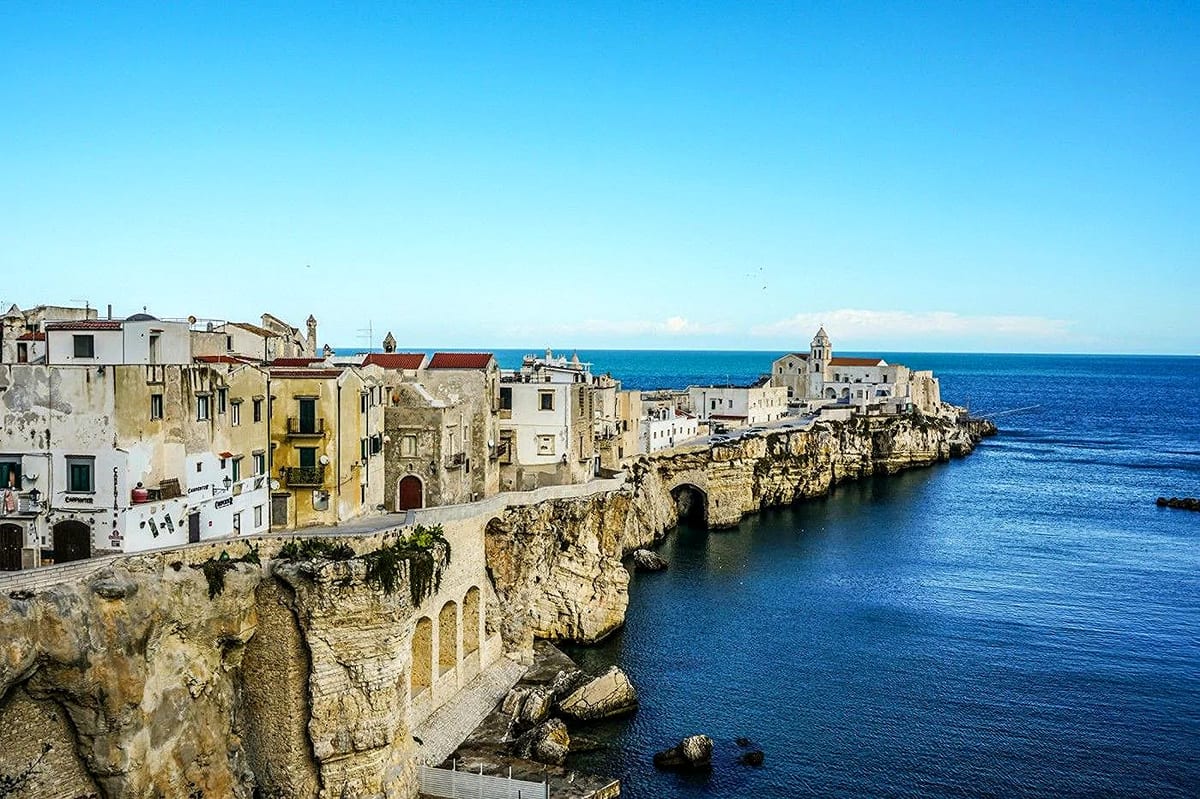
Northern Italy receives plenty of attention, but the southern Italy coast offers incredible seaside destinations too. The pace can feel slower, the landscapes can be wilder, and local traditions remain an important part of the experience.
Puglia is a strong choice for travelers searching for beautiful beaches and charming coastal towns. Its Adriatic coastline includes sandy beaches, rocky coves, and clear blue water.
Polignano a Mare is one of the region’s best-known coastal towns. Its dramatic cliffs, historic streets, and small central beach create a memorable setting.
Monopoli provides another attractive option with a historic center and numerous beaches nearby. It works particularly well for travelers who want both town life and easy access to the sea.
Further south, the Salento peninsula offers some of the most beautiful beaches in Puglia. Places around Lecce, Otranto, Gallipoli, and Santa Maria di Leuca provide plenty of coastal variety.
Calabria is another destination worth considering for a less predictable Italian beach holiday. Its coastline includes long sandy beaches, dramatic cliffs, and small seaside towns.
Tropea is particularly famous for its elevated historic center and views across the Tyrrhenian Sea. The nearby coastline provides beautiful places for swimming and relaxing.
Southern Italy can also offer better opportunities to slow down. Instead of moving between famous attractions, you can spend several days enjoying one coastal area.
That slower approach often creates a more rewarding seaside escape. You have more time to discover local restaurants, beaches, markets, and smaller towns.
Sicily: Beaches, History, and Mediterranean Culture
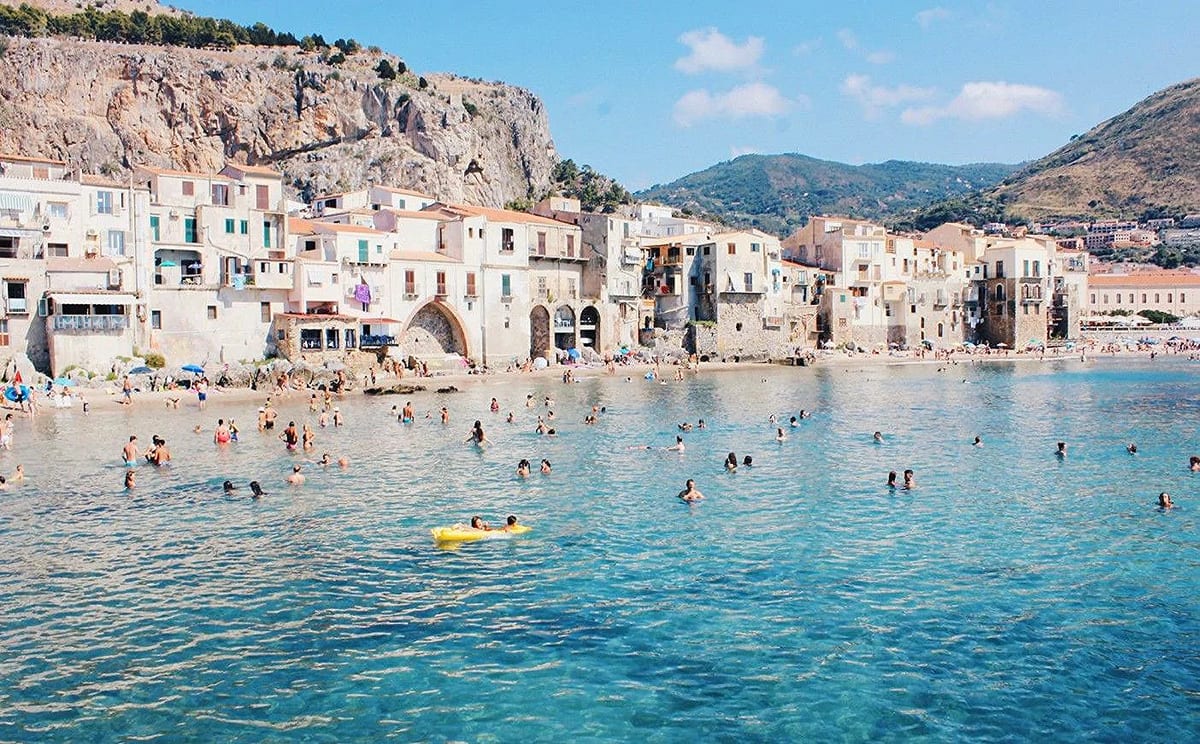
Sicily offers one of Italy’s most diverse coastal experiences. The island combines beaches, ancient history, volcanic landscapes, lively cities, and distinctive local traditions.
Travelers can choose between sandy beaches, rocky coves, dramatic cliffs, and small islands. This variety makes Sicily suitable for both relaxed holidays and more active itineraries.
Taormina is one of the island’s most famous destinations. It combines historic streets, impressive views, and access to beautiful coastal areas.
San Vito Lo Capo offers a completely different atmosphere. Its wide sandy beach and clear water create an ideal setting for a traditional beach holiday.
The eastern coast also provides access to Mount Etna and several attractive seaside towns. This allows visitors to combine nature, adventure, and relaxation within the same trip.
Sicily also works well for travelers who want more than beaches. Ancient ruins, historic markets, baroque towns, and local food provide plenty of reasons to explore inland.
For a longer Italy beach holiday, Sicily can therefore offer excellent variety. You can spend several days along the coast without running out of places to explore.
Sardinia and Some of the Best Beaches in Italy
Sardinia is famous for its spectacular beaches and exceptionally clear Mediterranean water. The island offers everything from wide sandy beaches to secluded coves surrounded by rugged landscapes.
The Costa Smeralda is one of the island’s most famous areas. It attracts visitors with beautiful beaches, upscale resorts, marinas, and striking coastal scenery.
However, Sardinia extends far beyond the Costa Smeralda. The southern coast around Cagliari also offers excellent beaches and a more accessible base for exploring.
Chia and Villasimius are particularly popular among travelers seeking clear water and beautiful sandy beaches. Both areas provide opportunities for swimming, relaxing, and exploring the coastline.
Sardinia is a strong choice if beaches are the main reason for your trip. The island also offers hiking trails, archaeological sites, traditional villages, and excellent regional cuisine.
Because Sardinia is an island, transportation requires more planning. Renting a car can be useful if you want to explore multiple beaches and coastal areas.
For travelers who prefer staying in one place, choosing a coastal base can make the experience much simpler. You can then take shorter trips to nearby beaches and towns.
How to Choose the Right Italian Coast
Choosing between Italy’s coastal destinations can feel difficult because every region offers something different. Instead of asking which destination is best, consider which experience matches your travel style.
For dramatic scenery, the Amalfi Coast is difficult to beat. For colorful villages and coastal walks, the Italian Riviera offers exceptional variety.
For beaches and relaxed summer days, Sardinia and Puglia deserve serious consideration. Sicily works particularly well when you want beaches alongside history, culture, and diverse landscapes.
Your travel time should also influence your decision. A shorter trip may work better with one concentrated coastal region.
Longer holidays allow you to combine multiple destinations. However, moving too frequently can take time away from the actual seaside experience.
The best itinerary leaves enough room for spontaneity. After all, some of the most enjoyable moments happen when you discover a quiet beach or beautiful waterfront unexpectedly.
Planning the Perfect Italian Coastal Itinerary
A great seaside holiday needs enough structure to keep your trip comfortable. However, leaving some free time allows you to enjoy unexpected discoveries along the coast.
Start by choosing one primary coastal region for your trip. Then, select a few nearby towns and beaches that are easy to reach.
Trying to see the entire Italian coastline in one holiday can quickly become exhausting. Instead, focus on quality experiences rather than collecting destinations.
For a week-long trip, one coastal region can provide plenty of variety. You can spend several days exploring beaches while keeping time for towns, restaurants, and local attractions.
Longer trips allow you to combine two nearby regions. For example, you could explore Liguria before continuing toward Tuscany or another northern destination.
Southern Italy also works well for multi-stop itineraries. Puglia, Calabria, Campania, and Sicily each offer different coastal experiences.
When planning your route, consider transportation before booking accommodation. Some coastal destinations are much easier to reach by train, ferry, or local bus.
Travel time between destinations can also affect how much time you actually spend relaxing. A beautiful itinerary is not useful if every day involves several hours of transportation.
How to Find the Best Beaches in Italy
Italy has thousands of kilometers of coastline, so finding the right beach requires some research. The most famous beach is not always the best choice for your holiday.
Consider the type of beach experience you want before choosing where to go. Some beaches are wide and sandy, while others are small coves surrounded by rocks.
Families may prefer beaches with easy water access and nearby facilities. Travelers seeking quiet surroundings may prefer smaller beaches outside major tourist centers.
Water conditions can also vary between different coastal areas. Check local information before planning activities such as swimming, snorkeling, or boating.
Beach clubs are another important part of the Italian seaside experience. Many popular beaches offer organized areas with loungers, umbrellas, changing facilities, and food.
Free public beaches are also widely available. These can be excellent options when you want a simpler day beside the Mediterranean.
Arriving early can make a significant difference during peak summer. Popular beaches can become busy quickly, especially around major tourist destinations.
For a more peaceful experience, explore beaches outside the main town center. A short journey can sometimes lead to a much quieter stretch of coastline.
Getting Around Italy’s Coastal Regions
Transportation plays an important role in creating a stress-free Italian beach holiday. The best option depends heavily on the region and your itinerary.
Italy has an extensive train network connecting many major cities and coastal destinations. Trains can be especially useful when traveling between larger towns.
Local buses connect many smaller coastal communities. However, schedules can vary, particularly outside major tourist periods.
Ferries provide another excellent way to explore coastal Italy. They connect islands, seaside towns, and popular destinations along several regions.
The Amalfi Coast is particularly well suited to ferry travel during the warmer months. Ferries can provide beautiful views while avoiding some road congestion.
A rental car offers greater flexibility in areas with scattered beaches. This can be especially useful in Sardinia, Sicily, Calabria, and parts of Puglia.
However, driving along narrow coastal roads requires patience. Parking can also become difficult near popular beaches during summer.
For this reason, avoid automatically assuming that renting a car is the easiest option. Compare travel times, parking availability, public transport, and ferry routes first.
Where to Stay Along the Italian Coast
Accommodation can completely change the experience of a seaside holiday. Choosing the right base can save time and make daily beach trips much easier.
Staying directly beside the sea offers convenience and beautiful views. However, waterfront accommodation often comes with a higher price.
A property slightly inland can provide better value. You may also find larger rooms, quieter surroundings, and easier access to local services.
For the Italian Riviera, consider staying in a town with good train connections. This allows you to explore several coastal destinations without changing accommodation constantly.
On the Amalfi Coast, location requires additional consideration because of the steep terrain. Staying close to ferry or bus connections can simplify your daily travel.
In Puglia, you can choose between historic towns and dedicated beach resorts. Both options provide different experiences depending on how you want to spend your evenings.
Sardinia offers many coastal resorts, apartments, and smaller guesthouses. A rental car can make more remote accommodation options easier to reach.
Sicily provides particularly strong variety. You can stay in a major city, historic town, seaside resort, or quieter coastal village.
Before booking, check how far your accommodation is from the beach. A property described as “near the sea” may still require a significant walk.
What to Pack for an Italian Beach Holiday
Packing for Italy’s coastline does not need to be complicated. The key is preparing for beach days, walking, warm weather, and occasional changes in plans.
Light clothing works well during the warmer months. Comfortable shoes are particularly important because many coastal towns have stairs, cobblestone streets, and steep paths.
Bring swimwear, a beach towel, sunglasses, and sun protection for long days outdoors. A lightweight layer can also help during cooler evenings.
A reusable water bottle is useful when exploring coastal towns. Staying hydrated matters even when temperatures do not feel extremely high.
If you plan to hike, bring suitable footwear rather than relying only on sandals. Coastal trails can include uneven surfaces and steep sections.
A small day bag makes beach trips and sightseeing easier. Keep your essentials together so you can move between the beach and town comfortably.
Enjoying Italian Coastal Food
Food is an important part of any Italian seaside escape. Coastal regions often have strong culinary traditions influenced by the Mediterranean.
Liguria is famous for dishes such as pesto and focaccia. Fresh seafood also features heavily across many coastal towns.
Southern Italy offers its own regional specialties. Puglia is known for fresh ingredients, pasta traditions, olive oil, and seafood.
Sicilian cuisine reflects centuries of Mediterranean cultural influences. Markets, bakeries, seafood restaurants, and family-run establishments provide plenty of choices.
Along the Amalfi Coast, local lemons are an important part of the regional identity. You will find them in desserts, drinks, sauces, and other local specialties.
Eating near the sea can be a memorable experience. However, restaurants slightly away from the busiest waterfront areas may offer better value.
Do not feel pressured to follow every restaurant recommendation online. Ask local accommodation staff for suggestions when you arrive.
Trying regional dishes also makes your trip more connected to the places you visit. Each coastline has its own ingredients, recipes, and traditions.
Making Time for More Than the Beach
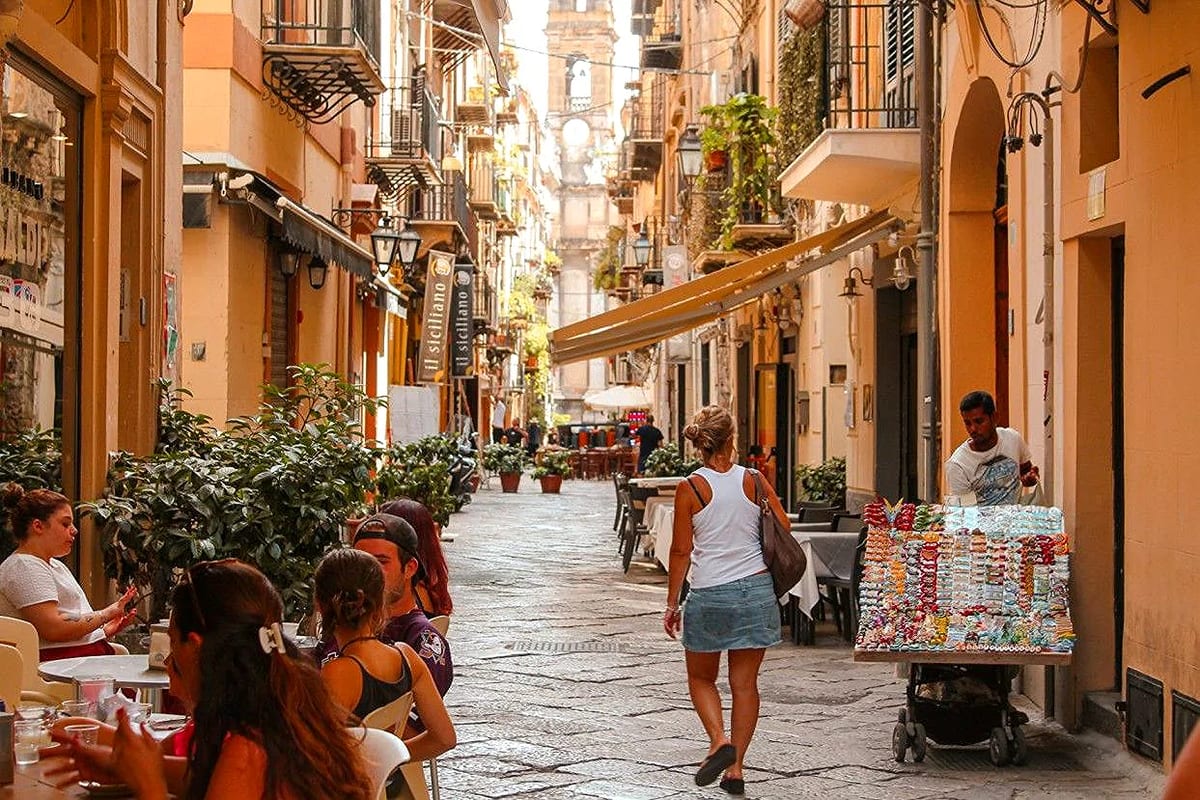
A seaside escape does not need to mean spending every hour on the sand. Italy’s coastal regions offer plenty of opportunities to explore beyond the shoreline.
Historic towns are often located close to the coast. Walking through their streets can provide a completely different perspective on the region.
Museums, churches, archaeological sites, and local markets can add variety to your itinerary. These activities also work well when you want a break from the sun.
Hiking is another excellent way to experience the Italian coastline. Trails often provide views that you cannot see from the beach.
The Italian Riviera is especially attractive for coastal walks. Several routes connect villages, viewpoints, and natural landscapes.
The Amalfi Coast also offers famous walking routes through hills and villages. These provide a quieter alternative to spending the entire day in busy towns.
Sicily and Sardinia offer opportunities for nature exploration as well. You can discover protected areas, caves, mountains, and unique coastal ecosystems.
Building these activities into your itinerary prevents your holiday from becoming repetitive. It also gives you more ways to experience the destination.
Beach Clubs and Seaside Experiences
Italian beach clubs, often called stabilimenti balneari, are an important part of the coastal experience. They provide organized spaces where visitors can spend an entire day beside the water.
Depending on the location, facilities can include sun loungers, umbrellas, showers, changing rooms, restaurants, and bars. Some beach clubs also provide activities or equipment for water sports.
Prices and facilities vary significantly between destinations. Popular resorts generally charge more than quieter coastal areas.
Public beaches remain a good alternative if you prefer flexibility. They allow you to enjoy the coastline without committing to a full-day beach club experience.
When choosing between the two, consider what makes your ideal beach day comfortable. Some travelers prefer having everything available, while others enjoy bringing only the essentials.
Booking ahead can be useful during busy periods. This is particularly relevant in famous destinations where beach space is limited.
How to Have a More Relaxed Beach Day
The best beach day is not necessarily the busiest one. A little planning can help you avoid unnecessary stress.
Check the weather before leaving your accommodation. Conditions can influence water activities, transportation, and your choice of beach.
Plan your transportation early when visiting popular destinations. Summer traffic can make short distances take much longer than expected.
Bring enough water and basic essentials for your time outdoors. You can then spend more time enjoying the beach instead of searching for supplies.
Avoid packing too many activities into one day. A seaside holiday should leave enough time to simply relax.
It can also help to alternate busy sightseeing days with slower beach days. This gives your itinerary a comfortable rhythm.
Most importantly, give yourself permission to change plans. Coastal weather, transportation, and crowds can all affect your original schedule.
Sustainable Travel Along the Italian Coast
Italy’s coastal destinations attract millions of visitors every year. Responsible travel can help protect these landscapes for future generations.
Avoid leaving rubbish on beaches or natural areas. Even small pieces of plastic can damage marine environments and coastal wildlife.
Use reusable bottles and bags whenever possible. These simple choices can reduce unnecessary waste during your holiday.
Respect local rules around protected beaches and natural areas. Some locations limit access to protect fragile ecosystems.
Choose local businesses when you can. Eating at local restaurants and shopping from independent businesses helps support coastal communities.
Public transportation can also reduce the environmental impact of your trip. Trains, buses, and ferries can often replace unnecessary car journeys.
Responsible travel does not require giving up comfort. Small decisions throughout your trip can make a meaningful difference.
Using Technology to Plan Your Beach Days
Technology makes planning a coastal holiday much easier than it once was. Weather apps, maps, transport platforms, and booking services can simplify your itinerary.
However, having too many apps can make travel feel complicated. A few reliable tools can provide everything you need.
Beach information is especially useful when planning your day. Knowing conditions, available services, and nearby facilities can help you choose the right location.
This is where digital beach platforms can make a difference. Instead of arriving without knowing what to expect, travelers can organize their beach experience before leaving.
Planning Your Beach Day With SunEasy
SunEasy makes discovering and enjoying beaches easier through one simple digital platform. It connects travelers with beach businesses while helping them plan their seaside experience.
With SunEasy, visitors can discover participating beaches, check available services, and book their beach setup before arriving. The platform also supports food and drink orders through QR technology at participating locations.
This creates a smoother beach experience from arrival to departure. Instead of searching for available sunbeds, travelers can focus on enjoying the sea.
SunEasy also helps beach businesses manage their services more efficiently. Digital tools make it easier to connect businesses with visitors while creating a more convenient experience for everyone.
And SunEasy is now expanding beyond Albania, with Italy as its next destination. As the platform grows into the Italian market, travelers will soon have another way to discover and enjoy some of Europe’s most beautiful coastlines.
The expansion into Italy brings SunEasy closer to the Italian Riviera and other iconic Mediterranean destinations. It also marks an exciting step toward making beach experiences more accessible and convenient across Europe.
For travelers exploring Albania and Italy, SunEasy offers a simple digital approach to planning beach days. From Albania’s stunning Riviera to Italy’s famous coastal destinations, the platform is growing with the modern seaside traveler.
Whether you are looking for a sunbed, checking beach services, or planning your day by the water, SunEasy aims to make the experience simpler. Spend less time organizing your beach day and more time enjoying the coastline.
Italy and Albania: Two Mediterranean Beach Experiences
Italy may be one of Europe’s best-known beach destinations, but Albania deserves attention from coastal travelers. The two countries offer different experiences while sharing the beauty of the Mediterranean.
Italy provides iconic destinations such as the Italian Riviera, Amalfi Coast, Sicily, Sardinia, and Puglia. Albania offers a more emerging coastal experience with spectacular beaches and growing tourism infrastructure.
The Albanian Riviera stretches along the southern coastline. It includes destinations such as Dhërmi, Himara, Borsh, Qeparo, and Ksamil.
The region is known for clear water, mountain scenery, and a mix of organized and more natural beaches. It can be an excellent addition to a Mediterranean travel itinerary.
Travelers visiting Italy can also consider extending their Mediterranean trip into Albania. The countries are geographically close, making a combined regional adventure possible.
Albania can also offer a different pace compared with Italy’s most famous coastal destinations. Smaller towns and developing beach areas provide opportunities to explore beyond the traditional European beach circuit.
Creating Your Ideal Mediterranean Escape
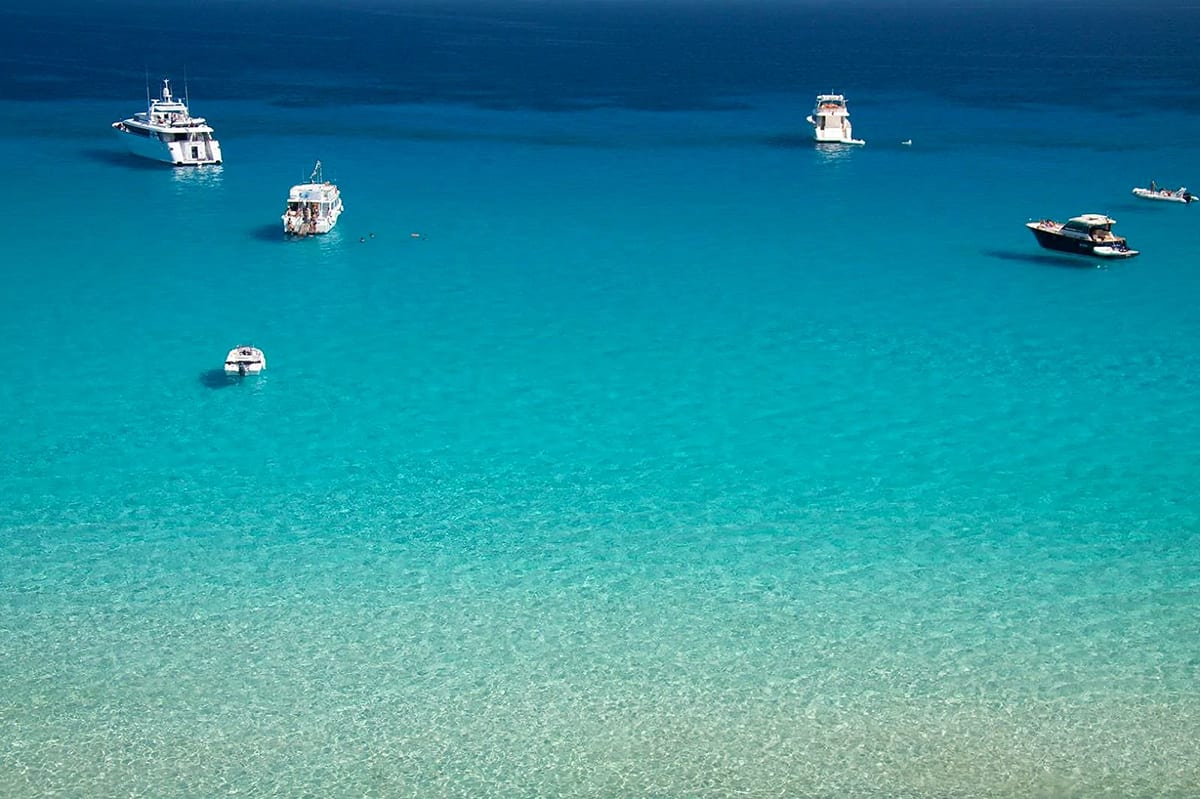
The perfect seaside holiday does not have one universal formula. Your ideal trip depends on how you want to spend your time beside the water.
Some travelers want elegant resorts, beautiful restaurants, and famous coastal towns. Others prefer quiet beaches, nature, local culture, and slower days.
The Italian Riviera works beautifully for travelers who want variety. You can combine charming villages, coastal walks, beaches, food, and culture within one region.
The Amalfi Coast is perfect for dramatic landscapes and famous seaside towns. Puglia offers a more relaxed combination of beaches, historic towns, and regional food.
Sardinia is an excellent choice when beautiful beaches are your main priority. Sicily provides perhaps the broadest combination of beaches, history, nature, and Mediterranean culture.
Calabria and southern Italy offer opportunities for travelers who want to explore beyond the most famous destinations. These regions can provide memorable coastal experiences with a different atmosphere.
Final Thoughts on Italy’s Coastal Escapes
Italy’s coastline offers almost endless possibilities for a Mediterranean holiday. From the Italian Riviera to Sicily, Sardinia, Puglia, and the Amalfi Coast, every region brings something different.
The secret to planning a great seaside escape is choosing the right destination for your priorities. Think about beaches, transportation, accommodation, activities, budget, and the pace you want.
Do not try to see everything simply because Italy offers so much. Give yourself enough time to enjoy each destination rather than constantly moving to the next one.
A great coastal holiday should leave you feeling refreshed, not exhausted. Build a flexible itinerary, explore beyond the famous attractions, and leave room for spontaneous discoveries.
Whether you choose a glamorous Riviera town or a quiet southern beach, the Mediterranean provides plenty of opportunities to slow down. With thoughtful planning, your Italian seaside escape can become one of the most memorable trips you take.